Buy eu1.eu ?
We are moving the project
eu1.eu .
Are you interested in purchasing the domain
eu1.eu ?
domain@kv-gmbh.de · 0541-91531010
Buy eu1.eu ?
Are photons electrons?
No, photons are not electrons. Photons are elementary particles that make up light and electromagnetic radiation, while electrons are negatively charged subatomic particles that are part of atoms. Photons have no mass and travel at the speed of light, while electrons have mass and are bound to the nucleus of an atom. **
How are photons created?
Photons are created through a process called electromagnetic radiation. This occurs when an atom absorbs energy, causing its electrons to move to a higher energy level. When the electrons return to their original energy level, they release the absorbed energy in the form of photons. This process can happen in various ways, such as through thermal radiation, chemical reactions, or nuclear reactions. **

Similar search terms for Photons
Top-Angebote
Products related to Photons:
-
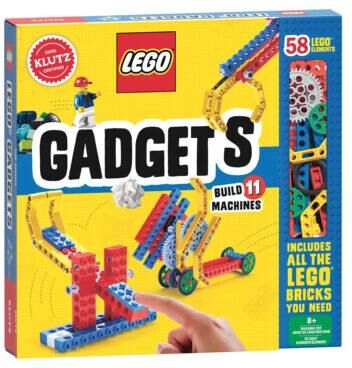
Klutz: LEGO GadgetsThis activity kit will have you building 11 machines including a gravity powered car and a wacky boxing robot. The fun doesn't stop once you've completed all of the projects in the book - open-ended prompts will inspire you to continue experimenting...24,99 $*Shipping: 0,00 $Secure redirect to the provider
-
Uplift Essentials Precision Screwdriver Set Professional Repair Kit For Electronics, Laptops, Phones, And Small Devices 152 In 1 (black)This precision screwdriver kit is designed for repairing electronics and handling detailed technical tasks. Whether you are working on laptops, phones, gaming consoles, drones, watches, eyeglasses, or home gadgets, this allinone set provides every...125,97 $*Shipping: 0,00 $Secure redirect to the provider
-
Inspire Curations FixPro 24 in 1 Precision Screwdriver Set Magnetic Electronics Repair Kit For Phones, Laptops & Small Devices silverHandle delicate repairs with confidence using this compact and versatile precision screwdriver set designed for modern electronics and everyday fixes. Perfect for DIY enthusiasts, technicians, gamers, and gadget owners, this allinone repair kit...53,00 $*Shipping: 0,00 $Secure redirect to the provider
-
Multisell Products Hub Magnetic Bottle Opener For Household Mineral Water Plastic Beverage Bottles And Cap Opening, Kitchen Accessories Gadgets blueEffortless Cap Opening for Everyday Kitchens Upgrade your routine with this 1 pcs Kitchen Accessories Gadgets Magnetic Bottle Opener for Household Mineral Water Plastic Beverage Bottles and Cap Opening designed for convenience and comfort. It makes...34,97 $*Shipping: 0,00 $Secure redirect to the provider



-
What happens to photons?
Photons are elementary particles that make up light. They do not have mass and travel at the speed of light. When photons interact with matter, they can be absorbed, reflected, or transmitted. Absorption of photons can result in the excitation of electrons, leading to various physical and chemical processes. **
-
How can one convert the energy of different photons into monochromatic photons?
One way to convert the energy of different photons into monochromatic photons is through a process called frequency doubling or second harmonic generation. This involves passing the photons through a nonlinear crystal, which causes the photons to combine and create new photons with double the frequency and half the wavelength of the original photons. This results in monochromatic photons with a single, specific wavelength. Another method is through the use of filters or monochromators, which can selectively filter out photons of specific wavelengths, allowing only monochromatic photons to pass through. **
-
How can photons have mass?
Photons are massless particles according to the Standard Model of particle physics. They travel at the speed of light and have zero rest mass. However, in certain theoretical models beyond the Standard Model, such as some versions of string theory, it is possible for photons to acquire a small amount of mass through interactions with other particles or fields. This mass is typically very small and has not been experimentally observed. **
-
What distinguishes photons and protons?
Photons are elementary particles that carry electromagnetic radiation, such as light, while protons are subatomic particles found in the nucleus of an atom. Photons have no mass and travel at the speed of light, while protons have mass and are composed of quarks. Additionally, photons do not have an electric charge, while protons have a positive electric charge. **


Why can photons penetrate matter?
Photons can penetrate matter because they do not have an electric charge and are not affected by electromagnetic forces within the material. Additionally, photons do not have mass, allowing them to travel at the speed of light and pass through matter without being absorbed or deflected. This property of photons enables them to interact with atoms and molecules in the material, leading to phenomena such as absorption, reflection, and transmission. **
How far do photons travel?
Photons, as particles of light, travel at the speed of light in a vacuum, which is approximately 299,792 kilometers per second. This means that photons can travel vast distances in a very short amount of time. However, their travel distance can be affected by factors such as absorption, reflection, and scattering, which can cause them to be absorbed or redirected before reaching their destination. **
Top-Angebote
Products related to Photons:
-
Rare Purchases Piece Repair Tool Kit With Torx Screwdrivers For Digital Devices And Gadgets magnetismIntroducing our Multifunctional Precision Screwdriver Set, the essential tool kit for anyone who works with digital devices. Whether you're repairing a phone, tablet, PC, or any other gadget, this versatile tool set provides all the necessary...49,97 $*Shipping: 0,00 $Secure redirect to the provider
-
Lush Living Finds Perforated Brick Assembly Toy Accessories With Technology Mechanical Wheels Perforated Brick Assembly Toy Accessories With Technology Mechanical WheelsEnhance Creativity with Technology Mechanical Wheels Unlock the power of innovation with our technology mechanical wheels, designed specifically for perforated brick assembly toy accessories. Whether you are a hobbyist or a seasoned builder, these...43,97 $*Shipping: 0,00 $Secure redirect to the provider
-
Klutz: LEGO GadgetsThis activity kit will have you building 11 machines including a gravity powered car and a wacky boxing robot. The fun doesn't stop once you've completed all of the projects in the book - open-ended prompts will inspire you to continue experimenting...24,99 $*Shipping: 0,00 $Secure redirect to the provider
-
Uplift Essentials Precision Screwdriver Set Professional Repair Kit For Electronics, Laptops, Phones, And Small Devices 152 In 1 (black)This precision screwdriver kit is designed for repairing electronics and handling detailed technical tasks. Whether you are working on laptops, phones, gaming consoles, drones, watches, eyeglasses, or home gadgets, this allinone set provides every...125,97 $*Shipping: 0,00 $Secure redirect to the provider
-
Are photons electrons?
No, photons are not electrons. Photons are elementary particles that make up light and electromagnetic radiation, while electrons are negatively charged subatomic particles that are part of atoms. Photons have no mass and travel at the speed of light, while electrons have mass and are bound to the nucleus of an atom. **
-
How are photons created?
Photons are created through a process called electromagnetic radiation. This occurs when an atom absorbs energy, causing its electrons to move to a higher energy level. When the electrons return to their original energy level, they release the absorbed energy in the form of photons. This process can happen in various ways, such as through thermal radiation, chemical reactions, or nuclear reactions. **
-
What happens to photons?
Photons are elementary particles that make up light. They do not have mass and travel at the speed of light. When photons interact with matter, they can be absorbed, reflected, or transmitted. Absorption of photons can result in the excitation of electrons, leading to various physical and chemical processes. **
-
How can one convert the energy of different photons into monochromatic photons?
One way to convert the energy of different photons into monochromatic photons is through a process called frequency doubling or second harmonic generation. This involves passing the photons through a nonlinear crystal, which causes the photons to combine and create new photons with double the frequency and half the wavelength of the original photons. This results in monochromatic photons with a single, specific wavelength. Another method is through the use of filters or monochromators, which can selectively filter out photons of specific wavelengths, allowing only monochromatic photons to pass through. **
Similar search terms for Photons
-
Inspire Curations FixPro 24 in 1 Precision Screwdriver Set Magnetic Electronics Repair Kit For Phones, Laptops & Small Devices silverHandle delicate repairs with confidence using this compact and versatile precision screwdriver set designed for modern electronics and everyday fixes. Perfect for DIY enthusiasts, technicians, gamers, and gadget owners, this allinone repair kit...53,00 $*Shipping: 0,00 $Secure redirect to the provider
-
Multisell Products Hub Magnetic Bottle Opener For Household Mineral Water Plastic Beverage Bottles And Cap Opening, Kitchen Accessories Gadgets blueEffortless Cap Opening for Everyday Kitchens Upgrade your routine with this 1 pcs Kitchen Accessories Gadgets Magnetic Bottle Opener for Household Mineral Water Plastic Beverage Bottles and Cap Opening designed for convenience and comfort. It makes...34,97 $*Shipping: 0,00 $Secure redirect to the provider
-
Rare Purchases Piece Repair Tool Kit With Torx Screwdrivers For Digital Devices And Gadgets hand TwistIntroducing our Multifunctional Precision Screwdriver Set, the essential tool kit for anyone who works with digital devices. Whether you're repairing a phone, tablet, PC, or any other gadget, this versatile tool set provides all the necessary...39,97 $*Shipping: 0,00 $Secure redirect to the provider
-
Uplift Essentials Precision Screwdriver Set Professional Repair Kit For Electronics, Laptops, Phones, And Small Devices 25 In 1 (black)This precision screwdriver kit is designed for repairing electronics and handling detailed technical tasks. Whether you are working on laptops, phones, gaming consoles, drones, watches, eyeglasses, or home gadgets, this allinone set provides every...64,97 $*Shipping: 0,00 $Secure redirect to the provider
-
How can photons have mass?
Photons are massless particles according to the Standard Model of particle physics. They travel at the speed of light and have zero rest mass. However, in certain theoretical models beyond the Standard Model, such as some versions of string theory, it is possible for photons to acquire a small amount of mass through interactions with other particles or fields. This mass is typically very small and has not been experimentally observed. **
-
What distinguishes photons and protons?
Photons are elementary particles that carry electromagnetic radiation, such as light, while protons are subatomic particles found in the nucleus of an atom. Photons have no mass and travel at the speed of light, while protons have mass and are composed of quarks. Additionally, photons do not have an electric charge, while protons have a positive electric charge. **
-
Why can photons penetrate matter?
Photons can penetrate matter because they do not have an electric charge and are not affected by electromagnetic forces within the material. Additionally, photons do not have mass, allowing them to travel at the speed of light and pass through matter without being absorbed or deflected. This property of photons enables them to interact with atoms and molecules in the material, leading to phenomena such as absorption, reflection, and transmission. **
-
How far do photons travel?
Photons, as particles of light, travel at the speed of light in a vacuum, which is approximately 299,792 kilometers per second. This means that photons can travel vast distances in a very short amount of time. However, their travel distance can be affected by factors such as absorption, reflection, and scattering, which can cause them to be absorbed or redirected before reaching their destination. **
* All prices are inclusive of VAT and, if applicable, plus shipping costs. The offer information is based on the details provided by the respective shop and is updated through automated processes. Real-time updates do not occur, so deviations can occur in individual cases. ** Note: Parts of this content were created by AI.